Case study
TheUXUnion
I am exploring a design community where reputation can be understood through projects, learning and contributions in context.
Case study in progress
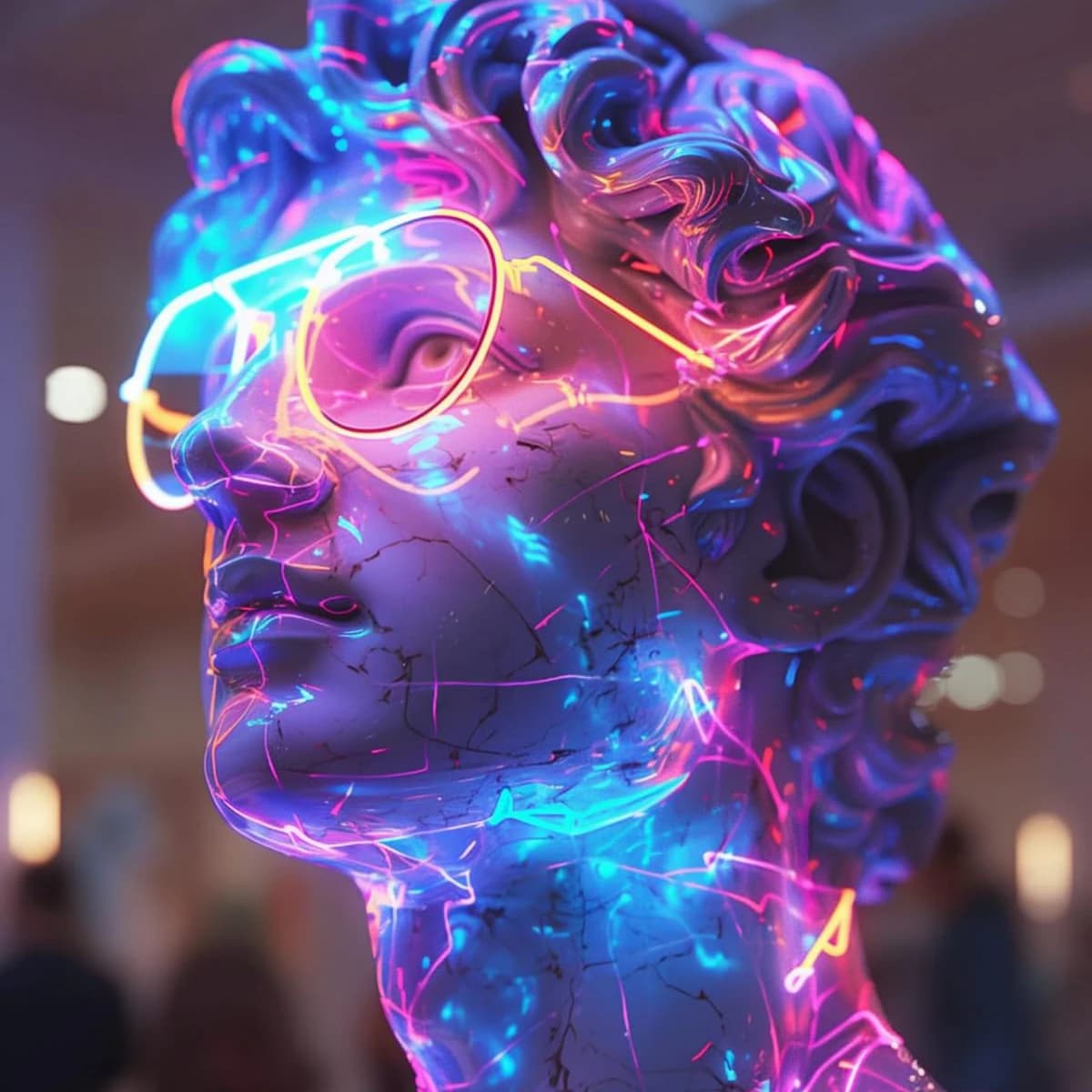
Fewer collected contacts. More projects, merit and meaningful connections.
- 0 → MVP
- from visual proposal to product
- Next.js
- implemented modular architecture
- Responsive
- desktop and mobile hierarchy
Collaboration: An iterative process supported by AI for visual exploration, architectural assessment and faster implementation; final direction and selection remain human
The current MVP demonstrates the proposal and visual direction. Authentication, the backend and complete reputation and opportunity flows remain in development.
The project, layer by layer
Small decisions build the system.
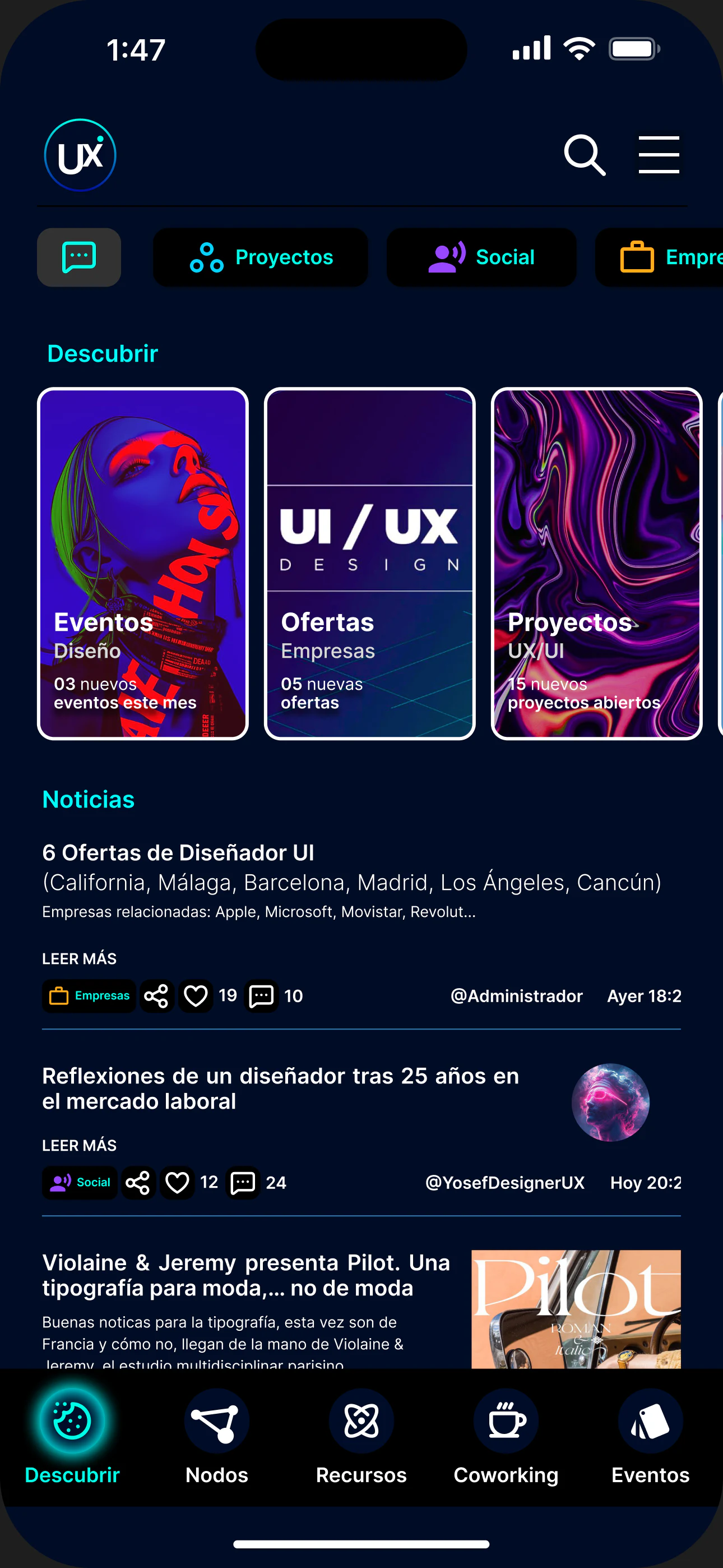
The mobile homepage brings projects, opportunities and conversation together in a compact hierarchy, with persistent navigation and recognisable states.
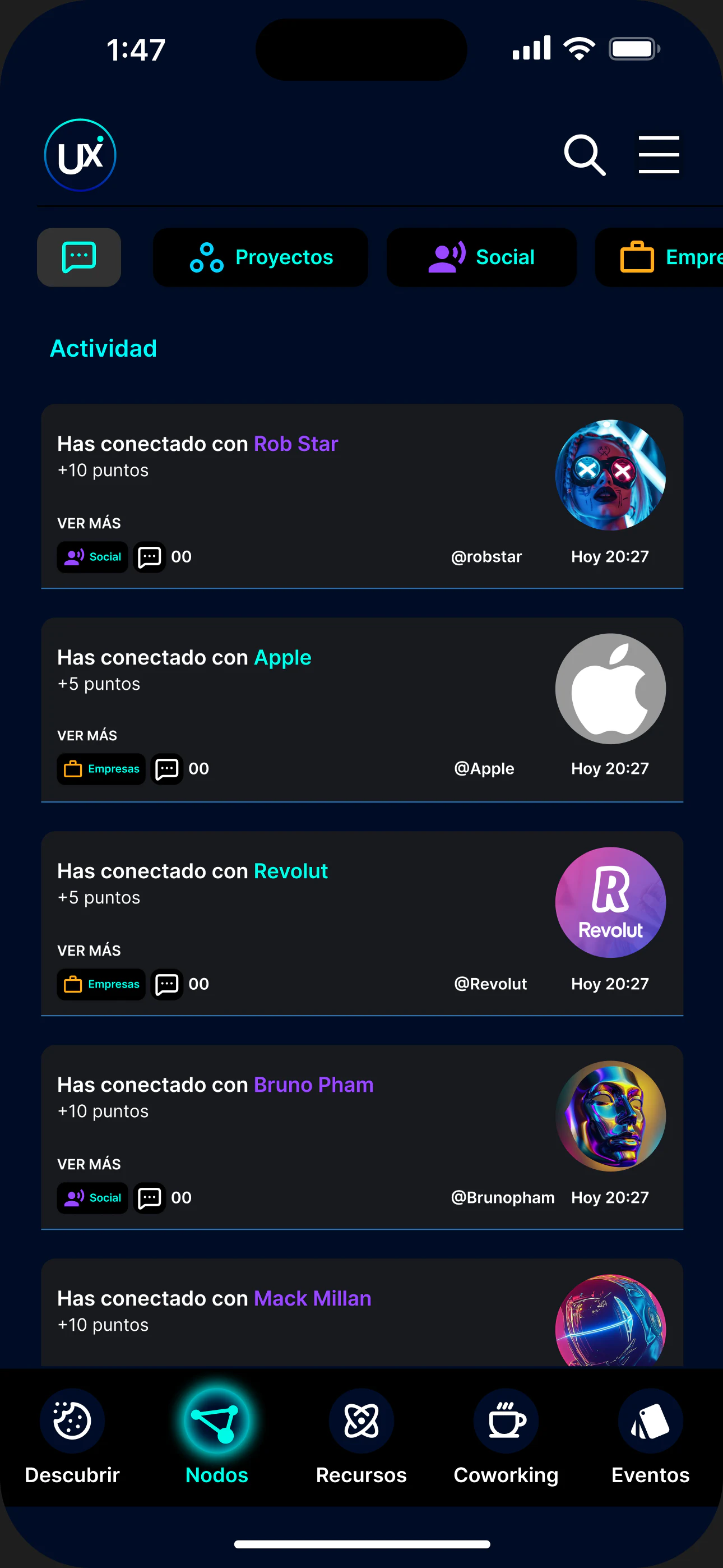
Nodes turn connections and contributions into visible signals of activity within the community.
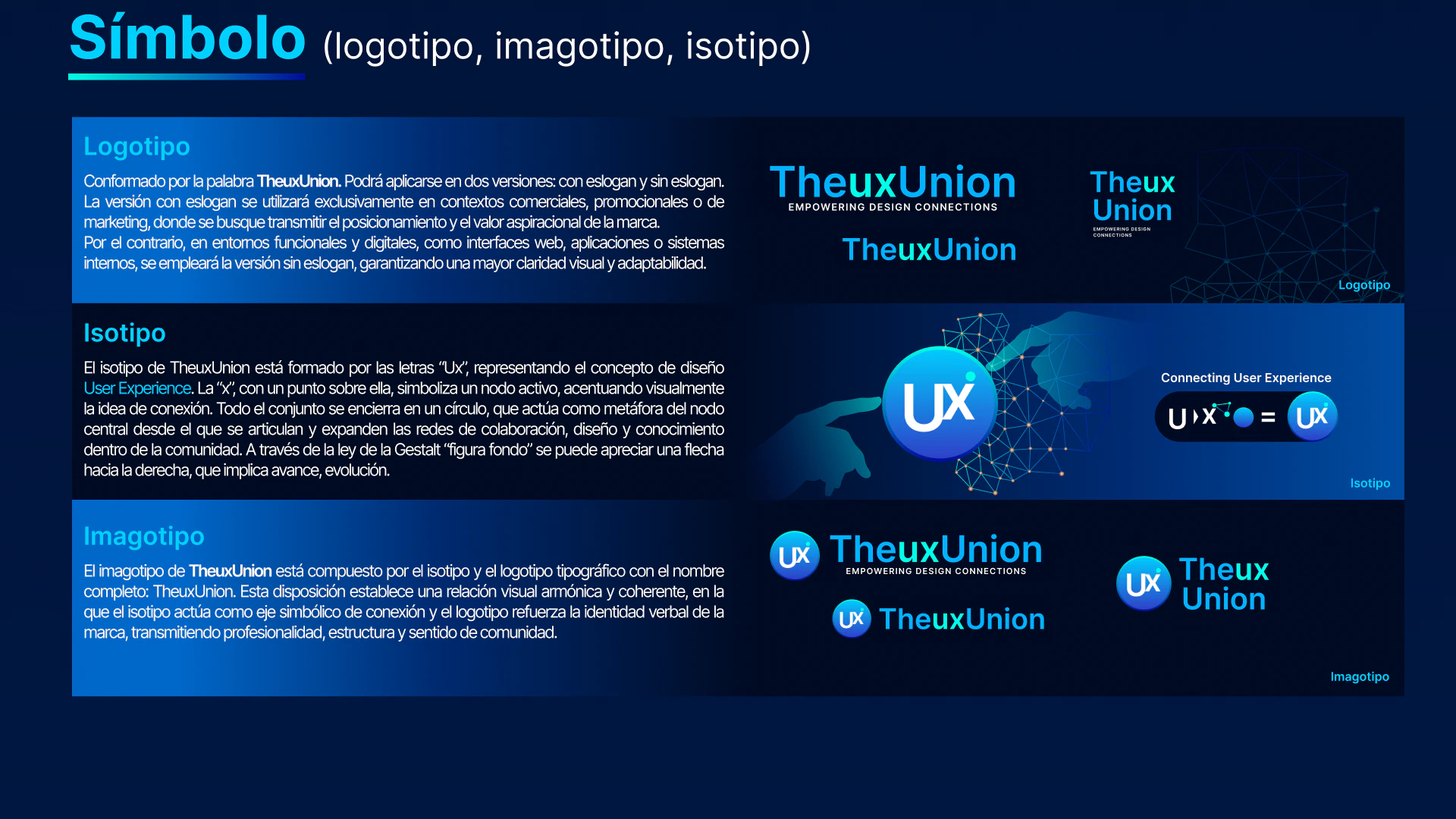
The system documents the relationships between the wordmark, symbol, network and adaptations for different contexts.
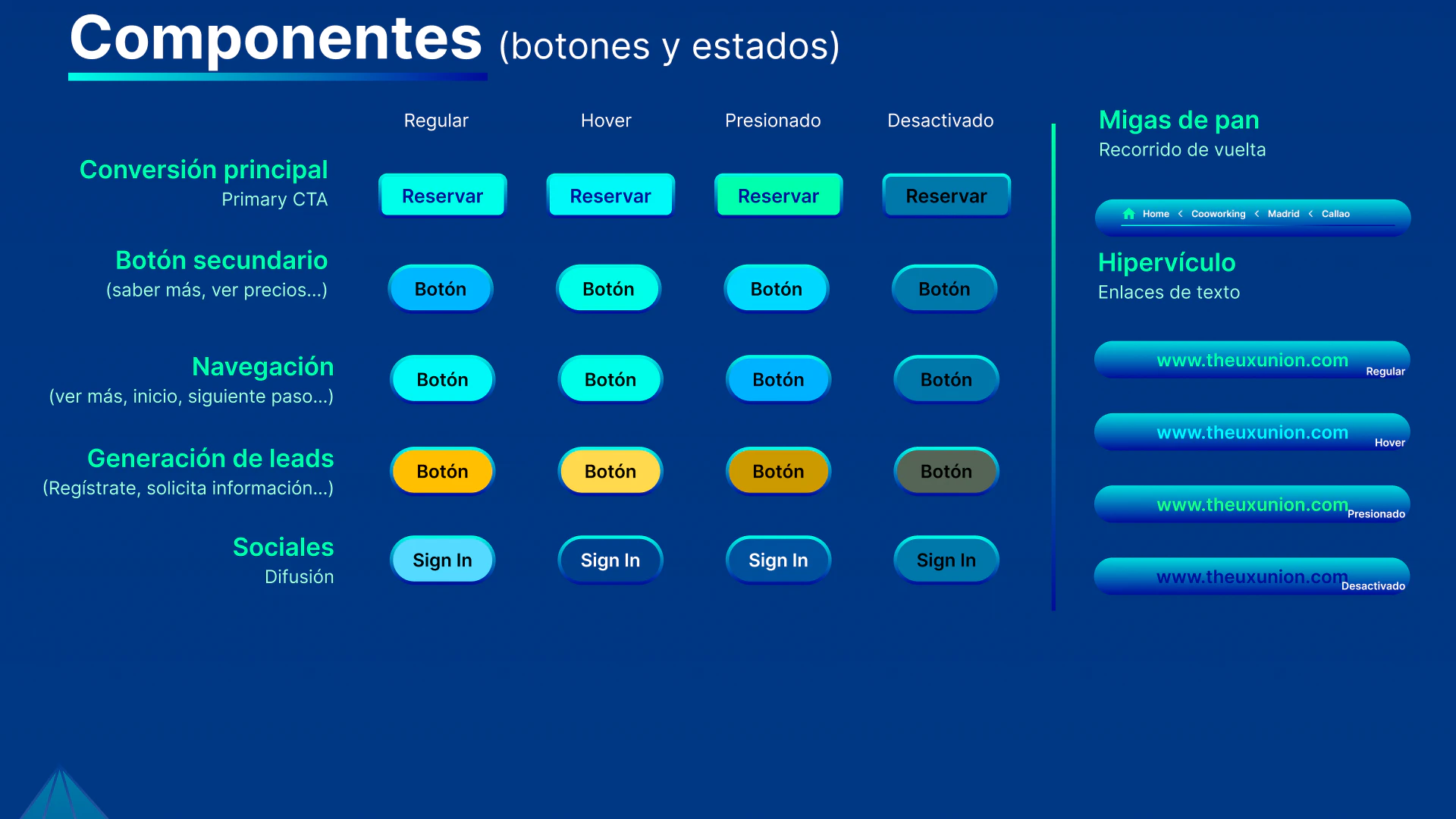
Buttons, states and navigation are built as reusable elements to support a consistent experience.
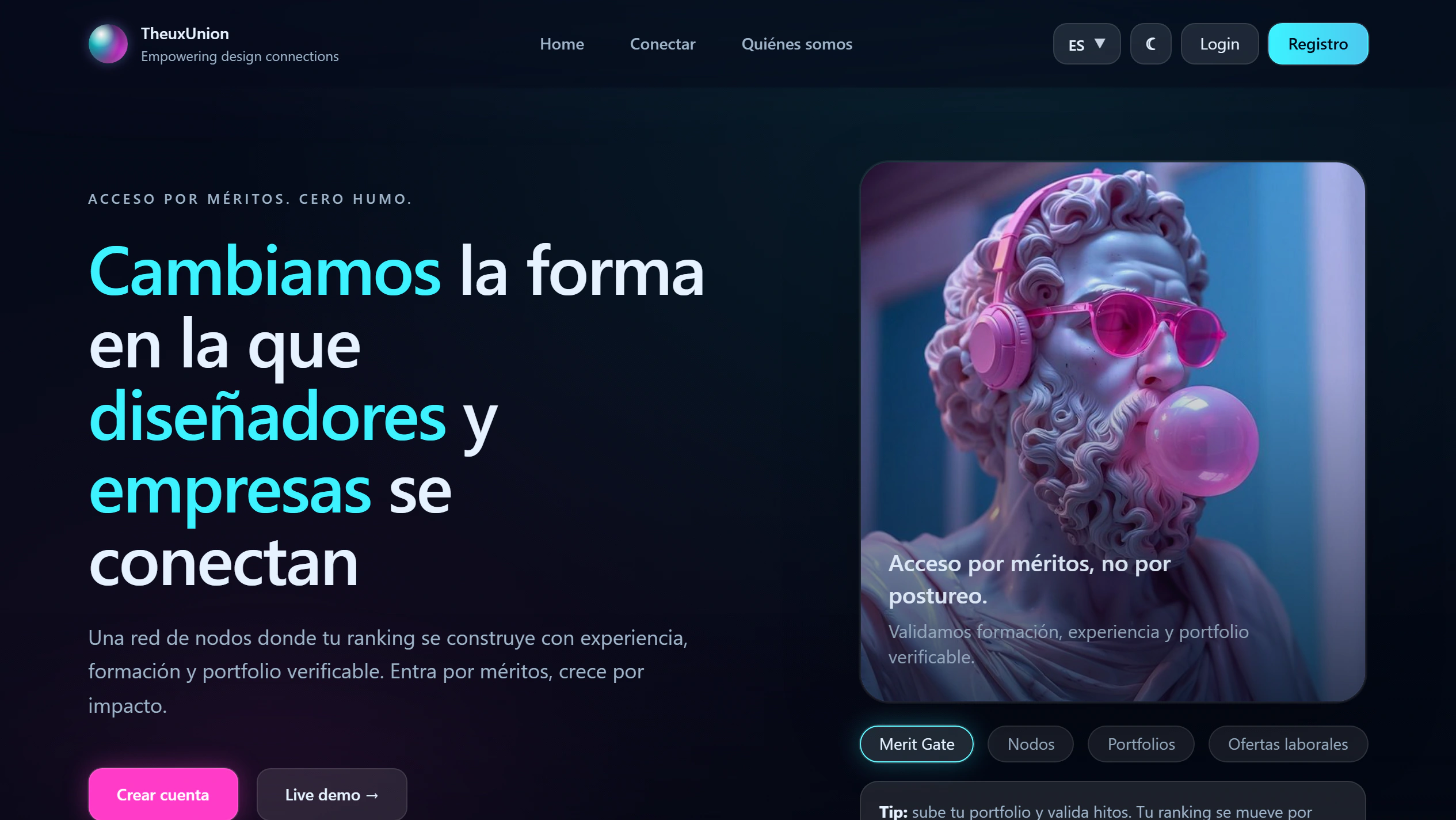
The MVP focuses that ambition into a modular, responsive architecture designed to test merit-based entry.
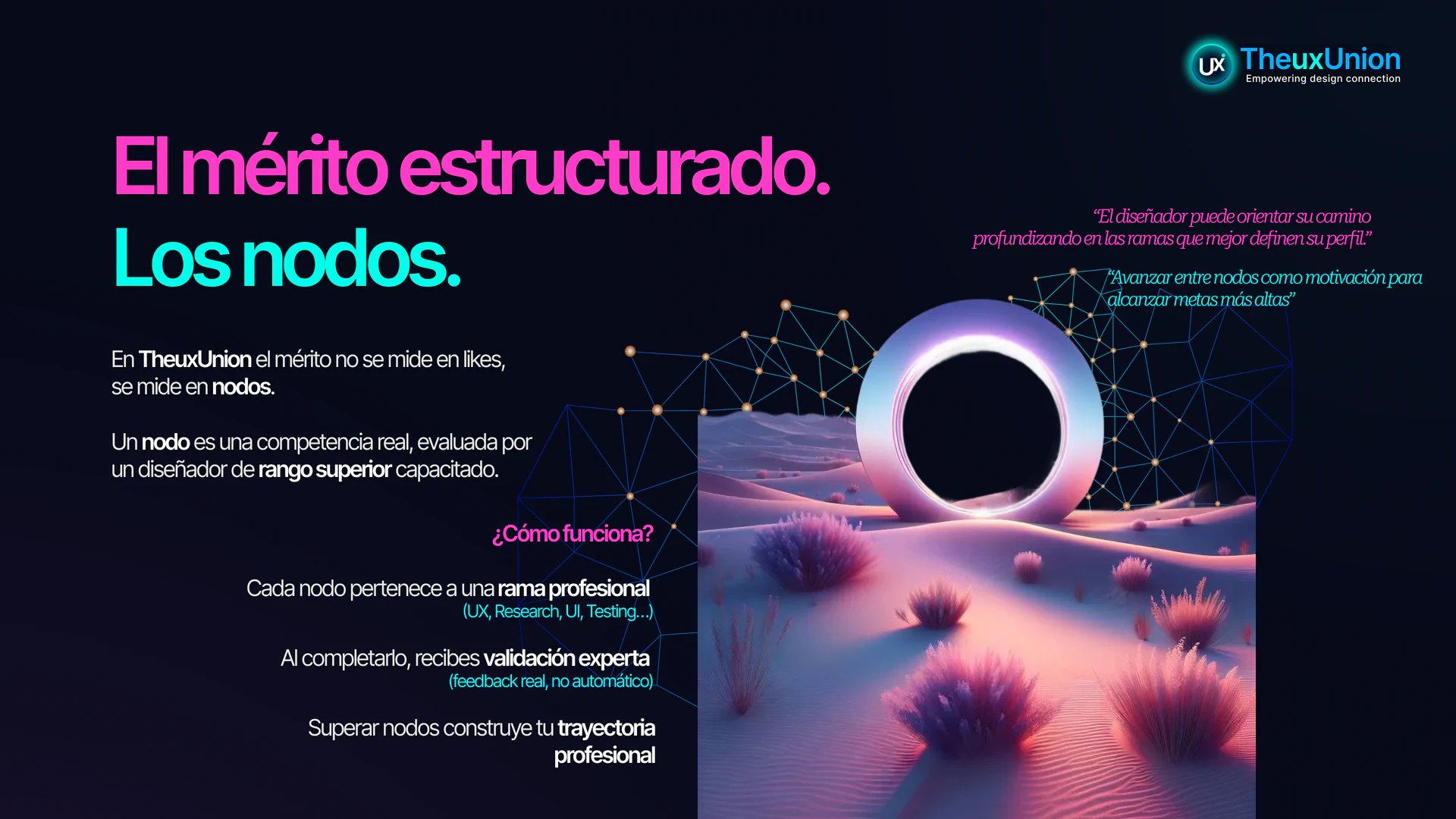
The presentation translates the reputation proposal into a visual story: each node represents a validated skill and a track record that can be understood.
Problem
I started with a concern: many professional networks accumulate contacts but reveal little about how someone works, what they have learned or what they contribute to a community. I wanted to investigate whether that information could be understood as a track record rather than a count.
The hypothesis is that reputation can draw on contextualised signals—projects, education, feedback and contributions—instead of depending only on reach or connection counts. This is a product question that the MVP does not yet fully resolve.
Methods:Value proposition · Stakeholder map · Reputation signals · Journey: landing page → access → profile.
System
I developed an identity with a dark, technical foundation, reserving colour for content and important states. The structure, text and controls needed to remain restrained to keep the experience readable.
The evolution took me from more open-ended graphic exploration to a more disciplined product system: reusable navigation, modules, cards and responsive adaptations.
AI in the process
The concept brings together evolving profiles, affinity nodes, portfolios, resources, coworking, events and opportunities. The MVP focuses on explaining that ecosystem and proposing merit-based entry.
I use AI to explore visual directions and generate variations faster, but editing remains deliberate: I select images for the idea of identity they support, not as a substitute for research, architecture or hierarchy.
- Tool
- Claude · Codex · visual generation tools
- Phase
- Identity exploration, product assessment and MVP development
- Human contribution
- Vision, value proposition, aesthetic selection, architecture and product criteria
- AI output
- Visual variants, candidate structures and faster component development
- Selection criteria
- Brand consistency, readability, distinctiveness, usefulness and responsive feasibility
- Identified limitations
- A striking image does not prove a flow or a hypothesis; each artefact is labelled according to what it actually demonstrates
- Final decision
- Human: direction, selection, editing and final scope
Implementation
I developed the first static version into a Next.js application with TypeScript, independent components, responsive navigation, a theme selector and a modular landing page where I can add new flows.
It remains an MVP: it shows the proposal, the brand and an entry structure, but it is not yet the complete platform for reputation, authentication and opportunities described by the vision.
Evidence
I retain the stages of evolution—early desktop/mobile versions, visual direction and current implementation—so that people can understand the process, not just see a final screen.
The case study connects the high-fidelity mobile prototype, identity system, component library, desktop MVP and product presentation through HD exports from the Figma files.
From prototype to component
System structure
- foundations / brand · colour · typography · spatial rhythm
- wireframes / architecture · access · profile · nodes
- components / navigation · cards · modules · controls
- responsive / desktop · mobile · states · hierarchy
Evidence
The work, open for review.
The prototype is one part of the process: it documents the system, decisions and flows behind the product.
Explore the public MVPLessons learned
I learned that a strong identity needs a quiet structure to remain readable without turning the entire experience into stimulation.
For me, reputation only makes sense when every signal retains its context, provenance and connection to real work.
I find it more honest to show the product's evolution than to present an MVP as though it already fulfilled the entire vision.
Open question:Which signals can build professional trust without reproducing the popularity dynamics of a social network?
Contact
Let's talk.
If you think the way I work would fit your team, or you have a product or research project you would like to develop, I would love to hear about it. Tell me what you need and where you are now. I will read your message personally.
You can also find me on LinkedIn